Compound Research Reference License
A controlled research license to PANOPTICON's marketed-compound reference library and component assays, for partners studying pharmacology and countermeasure development.
Ethics & Provenance
Access to PANOPTICON's characterised compound reference fractions and assay data from the Compound Compendium, supplied to accredited academic and clinical research partners under a vetting and benefit-sharing agreement. Black-Label and classified agents are never licensed.
Where the Money Goes
License revenue funds the synthesis labs and the paired countermeasure stocks that keep field teams safe.
Product Overview
The Compound Research Reference License grants vetted academic and clinical research institutions access to Psyon Biosciences' characterized compound library and associated assay data. Publicly, the program accelerates independent pharmacological research by providing reference-grade samples of marketed Psyon compounds. Within the Directorate, the license functions as a controlled distribution channel — every gram shipped is tracked from synthesis through consumption, and research outputs are monitored to detect whether external investigators are approaching classified mechanism-of-action data. The program also serves as a talent-identification pipeline, flagging researchers whose work aligns with PANOPTICON's operational needs.
Composition & Mechanism
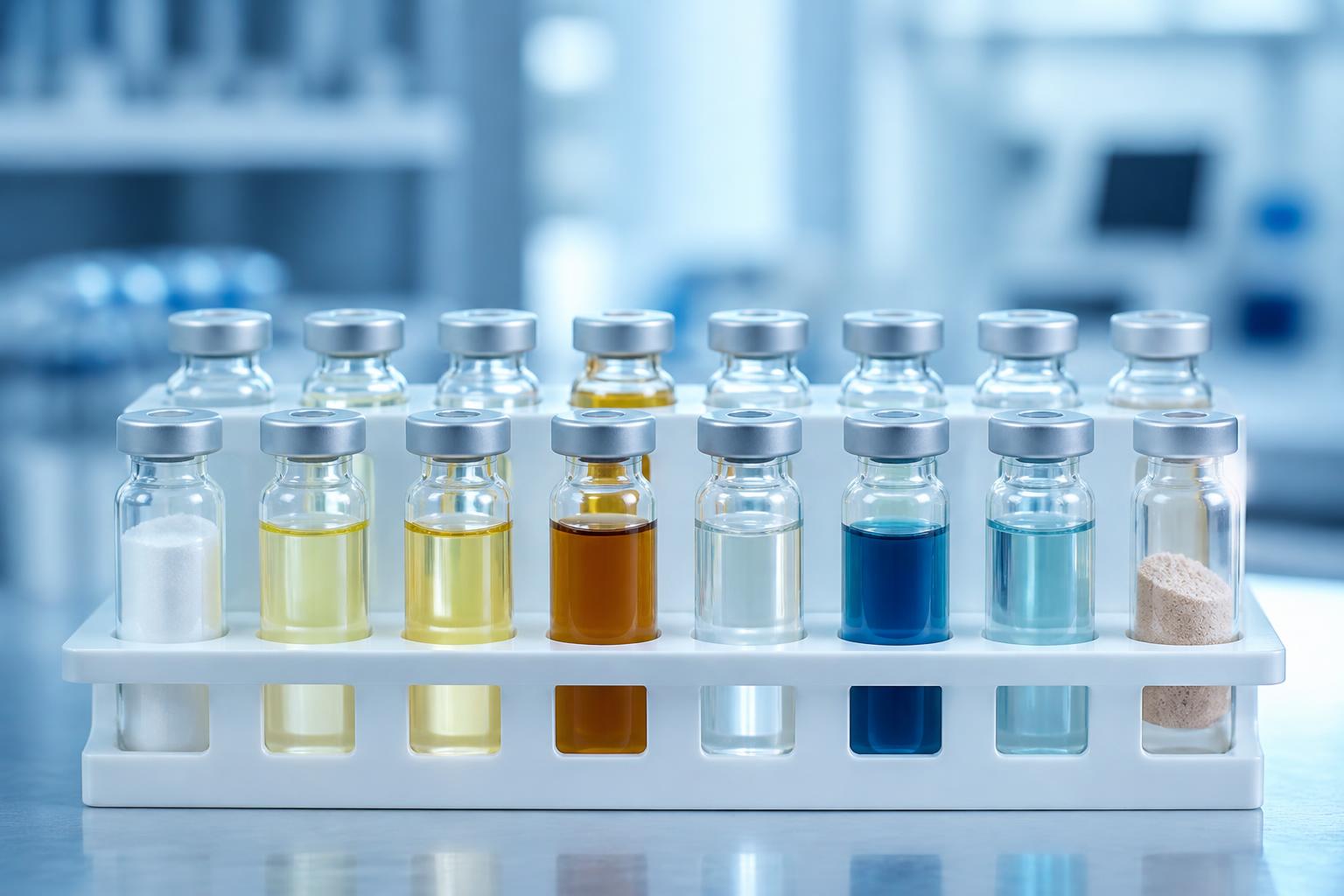
Licensed materials include purified reference fractions of compounds from the PANOPTICON Compound Compendium — primarily Claridyne-class agents and selected adjuvant components. Each shipment contains analytically certified samples with full characterization data: mass spectrometry profiles, purity assays, and stability documentation. Black-Label and operationally classified agents are excluded from the licensable catalogue; their reference entries are redacted to show only molecular-weight ranges and therapeutic-class designations. Sample quantities are capped at sub-therapeutic levels to prevent unauthorized in-vivo experimentation.
Target Population
Licensees are drawn from accredited universities, government research laboratories, and contract research organizations that pass a two-stage vetting process — institutional credential review followed by a Directorate background assessment of principal investigators. Approximately 160 active licenses are maintained globally, with the highest concentration in North American and Western European institutions. Renewal rates exceed 80%, driven by the compound library's breadth and the absence of comparable commercial reference sources.
Operational Notes
Samples ship under Psyon's controlled-substance logistics protocol: dual-signature chain of custody, GPS-tracked cold-chain containers, and tamper-evident seals with unique identifiers logged in the Compound Tracking System (CTS). Licensees must provide quarterly usage reports detailing consumption volumes, experimental applications, and any resulting publications or patent filings. Failure to file triggers automatic license suspension and a retrieval order for remaining inventory. On-site audits are conducted annually by Psyon's Research Compliance division — staffed, in practice, by Directorate field officers.
Regulatory Status
Licensed compounds retain their existing marketing authorizations; research-use distribution is conducted under analytical-reference-standard exemptions in each jurisdiction. The license agreement includes a benefit-sharing clause granting Psyon first right of refusal on any intellectual property derived from licensed materials. Patent coverage on the reference-fraction preparation methodology and the CTS tracking platform extends through 2041 under Psyon filings in the US, EU, and key Asia-Pacific markets.